When Function Over Form Gets in the Way of Creativity.
I remember a few years ago my friend wanted to get into recording music, without having any previous recording experience. If she had a MacBook or iPhone, GarageBand would have been the obvious easy choice, but we were both Android and Windows users. At the time, my DAW (Digital Audio Workstation) of choice was Reaper, a Windows-compatible program that, after hurdling the learning curve, was pretty much capable of everything you could ask for at the price of free. So my friend downloaded the program, tried it out, and came back to me. She was mortified by the how hostile and complicated the User Interface was, and didn’t want to touch it with a ten-foot pole.
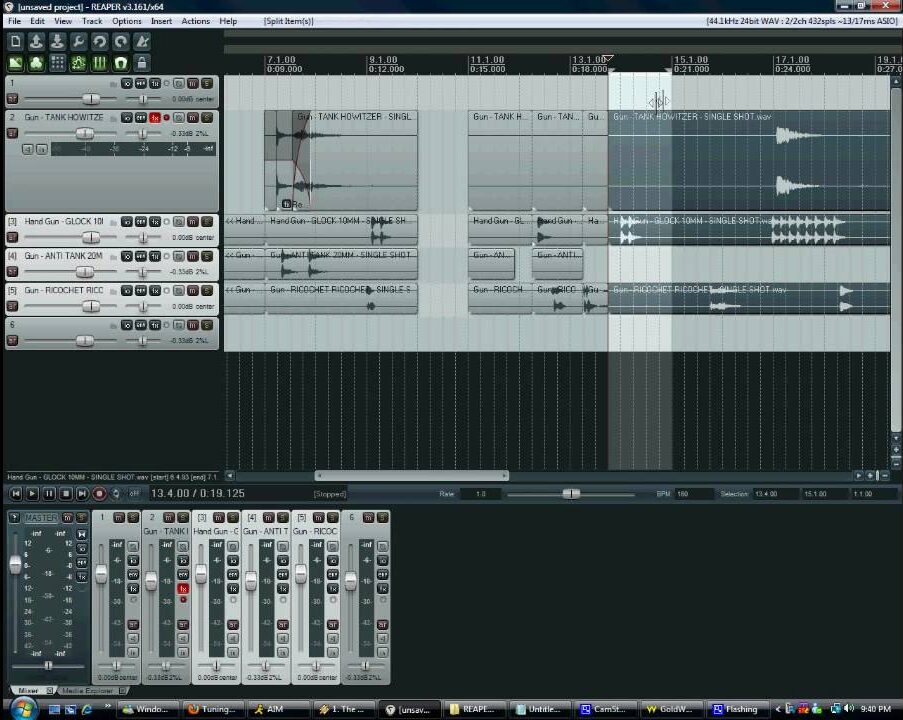
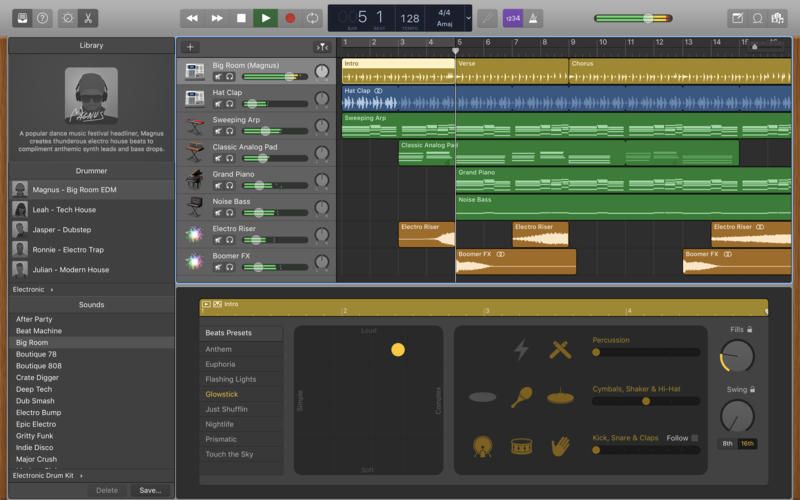
I thought she was being a bit stubborn, and that with some tutorial videos and persistence, she could get creating in no time. But the more she tried to engage the software, the more the software brick-walled her. It resulted in endless frustration and it was killing her spark for creativity, which was defeating the purpose of the whole thing.
I feel guilty now for invalidating her experience in the first place. I wish I instead told her that it’s okay to just try something else. In retrospect, Reaper really is unintuitive, even when you learn it, customize it, and get things going, it’s still kind of unintuitive. I bought a MacBook last year and I have to say, despite everything my dear Reaper and I have braved together throughout the past, GarageBand just feels so refreshingly easy.
Form vs. Function
The point is, I used to discredit tools like this that put form over function, aesthetics over versatility, and immediate gratification over long-term mastery. In the end, artists want to create, and we don’t want all this technical shit to bog us down when we have ideas pouring out. Ideally, we want a really good toy or instrument to evoke inspiration or new ideas.
Tactility and aesthetics are just as important as functionality when it comes to creativity. When someone is buying a guitar, the question of how it looks on you and how it feels matters as much as the craftsmanship and quality of sound. To a lot of people, it’s probably more important. It could make the difference between a guitar that gets picked up and played everyday and a thousand-dollar wall ornament collecting cobwebs in the corner.
Teenage Engineering
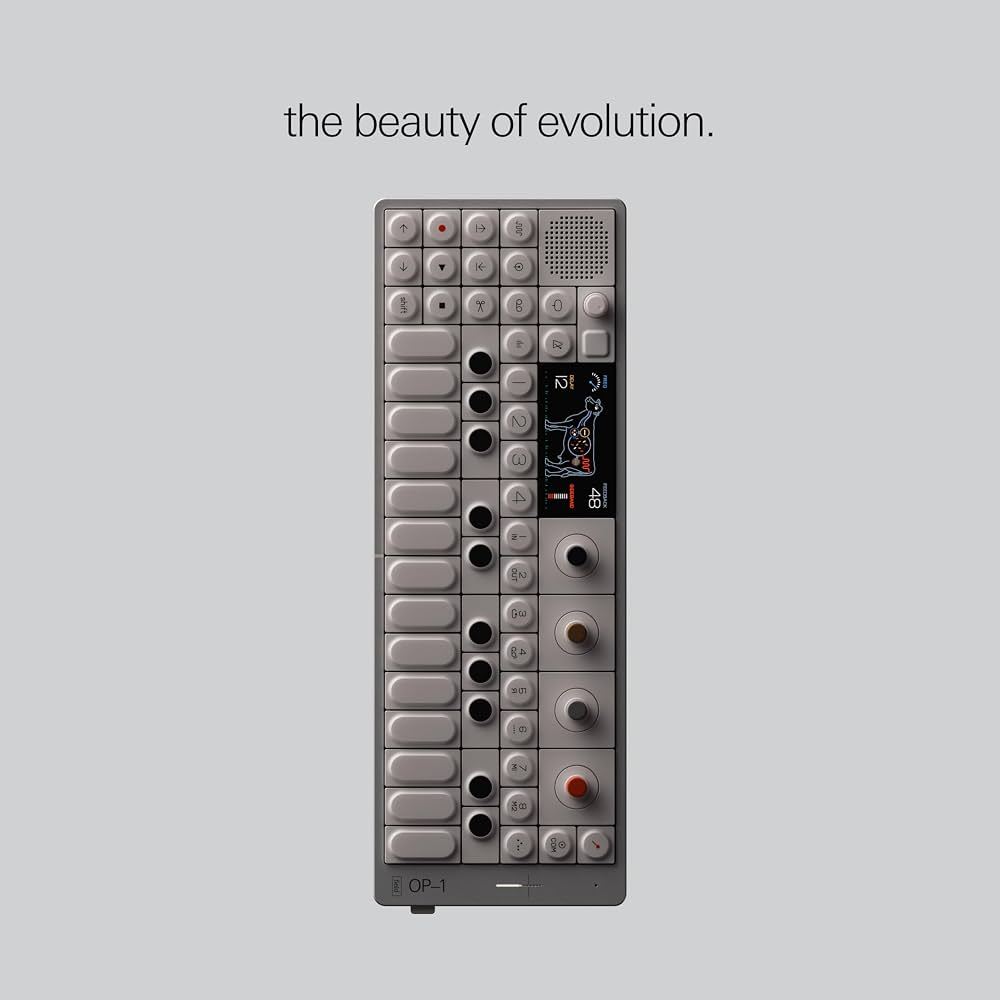
Let’s take a look at Teenage Engineering, a popular music hardware manufacturer. You could take a quick look at any of their products or videos, and it’s immediately clear what sets them apart from the pack. They take after Apple’s design ethos: sleek, minimalist, bold, and tactile. Even their product reveal campaigns resemble Apple commercials!
With it’s smooth layout and inviting design, I’d imagine that even a non-musician wouldn’t be able to resist getting their hands on an OP-1.
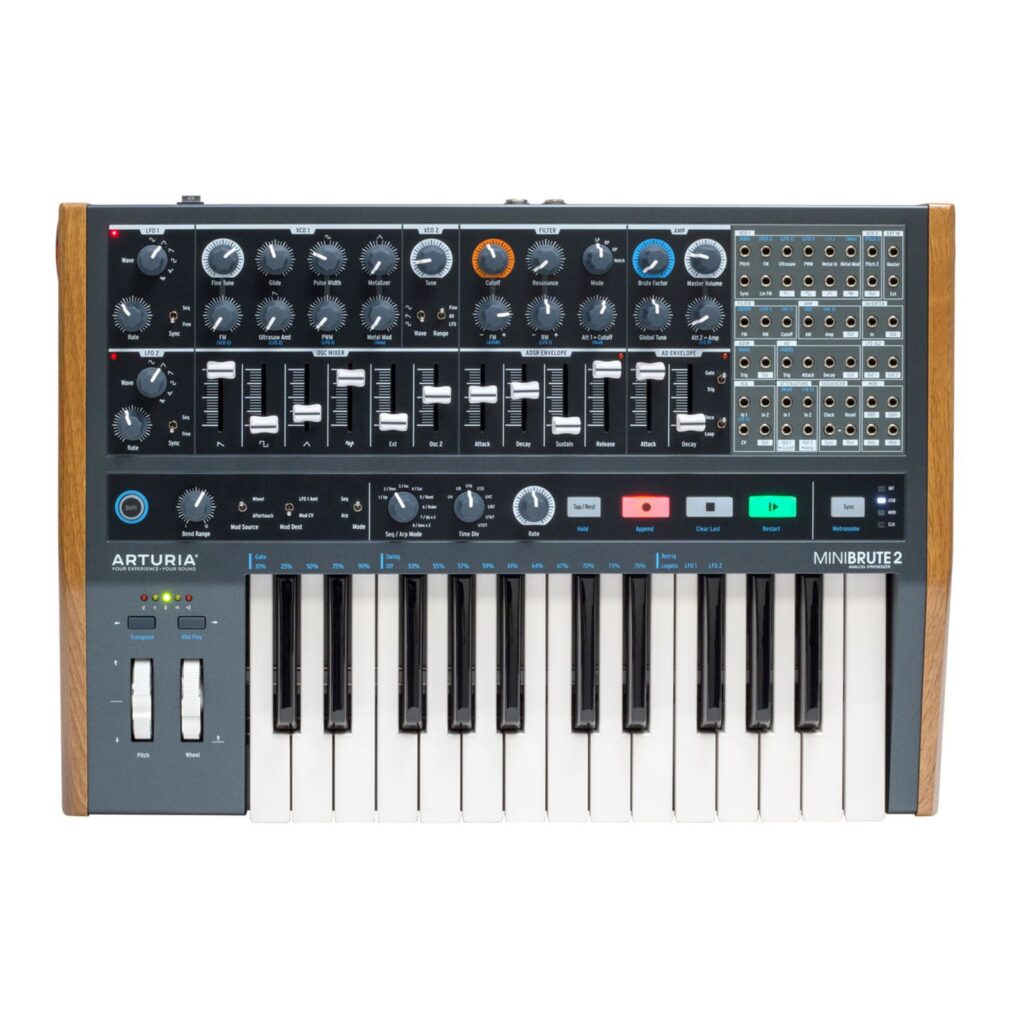
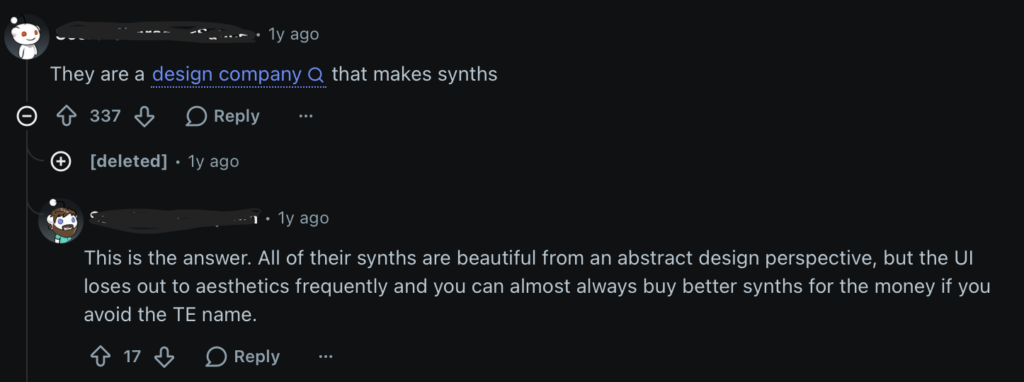
As popular as Teenage Engineering is among artists and producers, they are not without their detractors. Many fault Teenage Engineering’s products for prioritizing aesthetics over functionality, for being over-priced, and under-delivering when compared against similar products by other manufacturers. They sacrifice versatility, flexibility and capability in the long-run so they can dazzle on first impression. Take this reddit thread below for example:
For someone who is used to synthesizers, the OP-1 greatly lacks in UI transparency. Someone who actually utilizes every knob, slider, and plug-socket on the MiniBrute might get frustrated clicking through the OP-1’s tiny LED to achieve the sounds they want. For them, the OP-1’s interface is unintuitive.
But consider someone who has never touched a synthesizer like the MiniBrute. It would be overwhelming to deal with all those dials, buttons and switches, while on the other hand, the OP-1 looks far more appealing and quick-to-use out of the box. They don’t have to have years of learning and experience behind them to pick up and start creating.
Both of these users are completely valid in their feelings and know what works best for them. If you gave the synth-veteran the OP-1 and the synth-rookie the Arturia MiniBrute, both would feel stifled and oppressed by technical nitty-gritty, and it just wouldn’t be as fun to make the real magic happen.
The r/synthesizer community may have some valid reasons to recommend more powerful and value-friendly synthesizers in place of the OP-1, but if at the end of the day, the OP-1 simply looks more appealing and fun to use, that is reason enough for the prospective buyer to justify their reasoning.
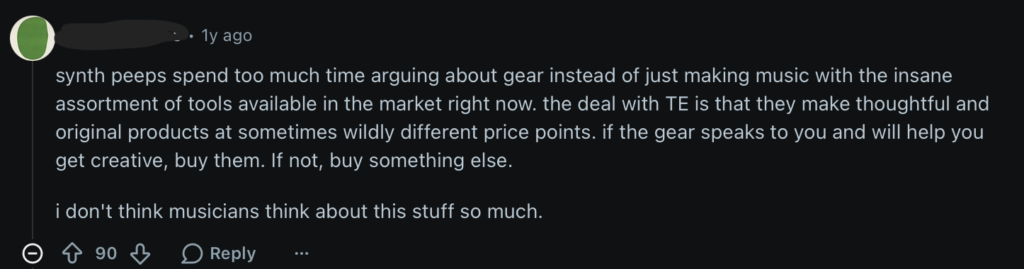
Given these select examples above, I must clarify that Teenage Engineering is nonetheless quite popular within the professional music production community. Many famous musicians like Bon Iver, Childish Gambino, and Flume have used OP-1s on their recordings, in live sets, own as a super-portable option for recording ideas on-the-go.
Accessibility is for everyone!
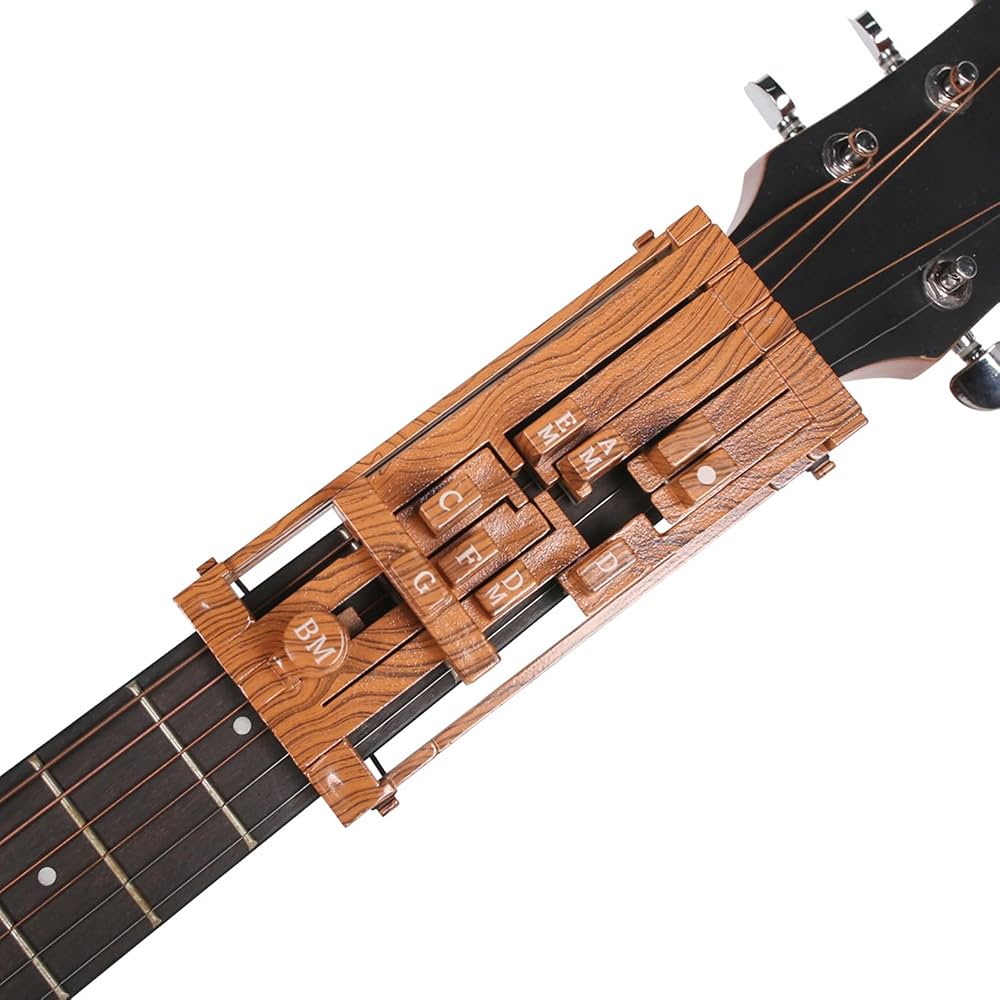
Here I present another case. It’s beckoned by several names: guitar chord-presser, guitar chord trainer, guitar learning aid, and so on. Essentially, It is a mechanical accessory that attaches to the neck of your guitar, and at the press of a single tab, it mechanically frets all the notes that create the corresponding chord. It overrides the precision and dexterity needed to articulate the notes so that you can strum away to your favourite tunes, without a fret! (ha-ha.)
It’s a wonderful accessory, and no one can deny that it’s a lifesaver for people who suffer from arthritis, motor-skills complications, or similar impairments. But who’s to say such a device should only be limited for people who have a “legitimate” accessibility issue? If this device inspires you to play guitar, then no one should stop you from using one. It’s damn difficult instrument to learn, and some people just want the gratification of being able to get to the end of a single song early on. Of course, you can still learn how to articulate chords aid-free later. But maybe you don’t even want to do that, and just enjoy using the chord-presser to get your ideas flowing. Don’t let some greasy unemployed guitar-playing puritan tell you you’re not really playing guitar when you’re using one of these devices because as far as I’m concerned, if you’re making sounds and having fun doing it, that’s what counts.
So what does this all boil down to?
A lot of discourse around music hardware and programs (like in many other fields) place versatility, value-for-money, and craftsmanship high on the hierarchy of importance. That’s not a bad thing at all. But remember, musical instruments are not a pure utility in the same sense a lawnmower, a car, or a coffee machine is. In essence, they are toys designed to stimulate your imagination and creativity. Elements like novice-friendliness, aesthetics, and (to a certain extent) gimmick features are conducive to creativity, and thus, can be considered with equal importance when buying new equipment. Certain music production communities can be hostile and stubborn towards creators who lean in to products that cater to these things, as though they are only selling themselves short by buying an over-hyped or inferior product. In the end, you are only going to use what that speaks to you and gets you in the creative zone.
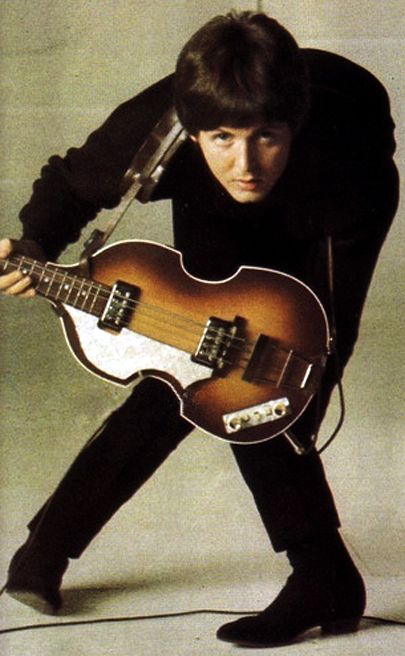
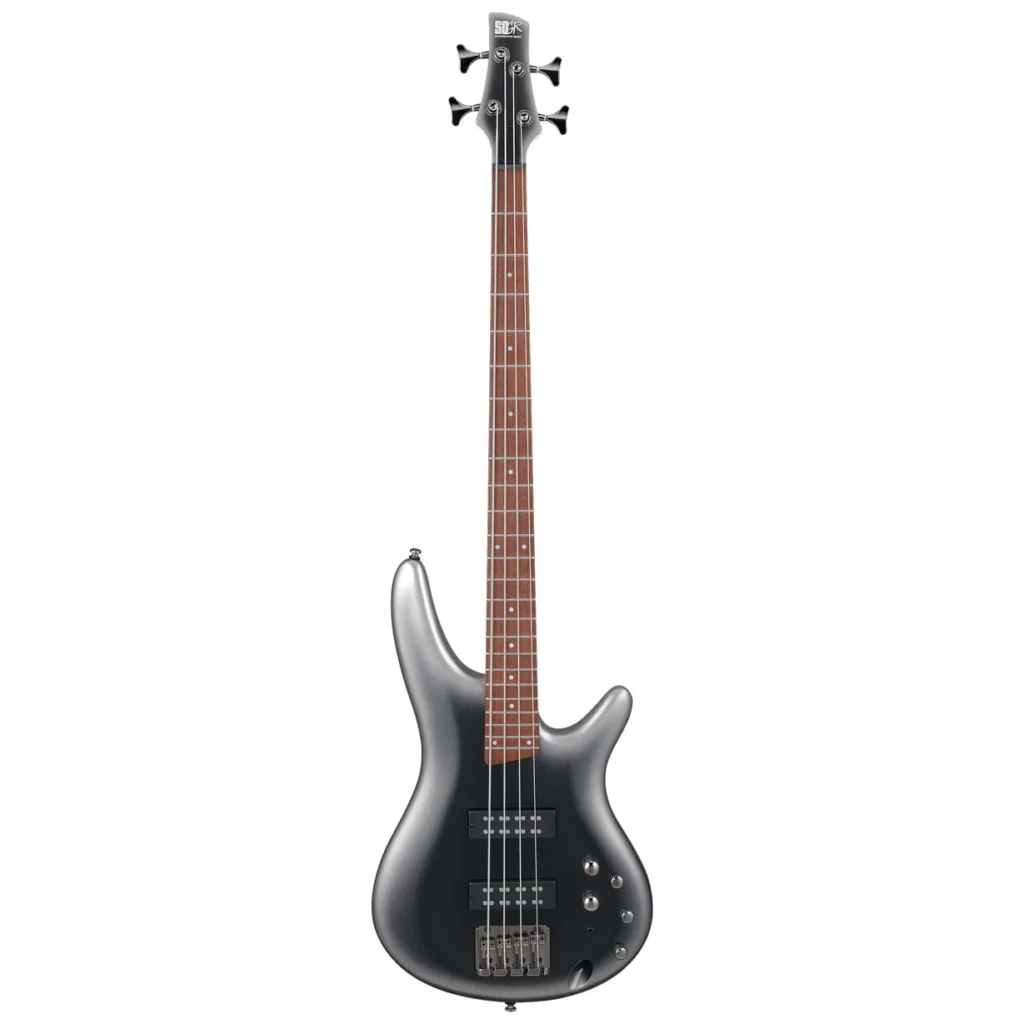
By the way, check out this Hofner Bass that Paul McCartney made world-famous. I’ll let you in on a little secret. It’s actually a cheaply-made instrument that didn’t sound particularly good and suffered from intonation issues. I bought this bass guitar with my parents when I was 11 because it looked cool and had that the ultimate celebrity endorsement that money couldn’t buy. I loved playing it. When I brought to my lessons, my bass teacher took one look at it, scoffed, told me what a piece of shit it was, and eventually convinced me to exchange it for a plain black Ibanez SR. Go figure.
Leave a Reply